
Need for a manager to help humans and AI agents collaborate is rising, say experts
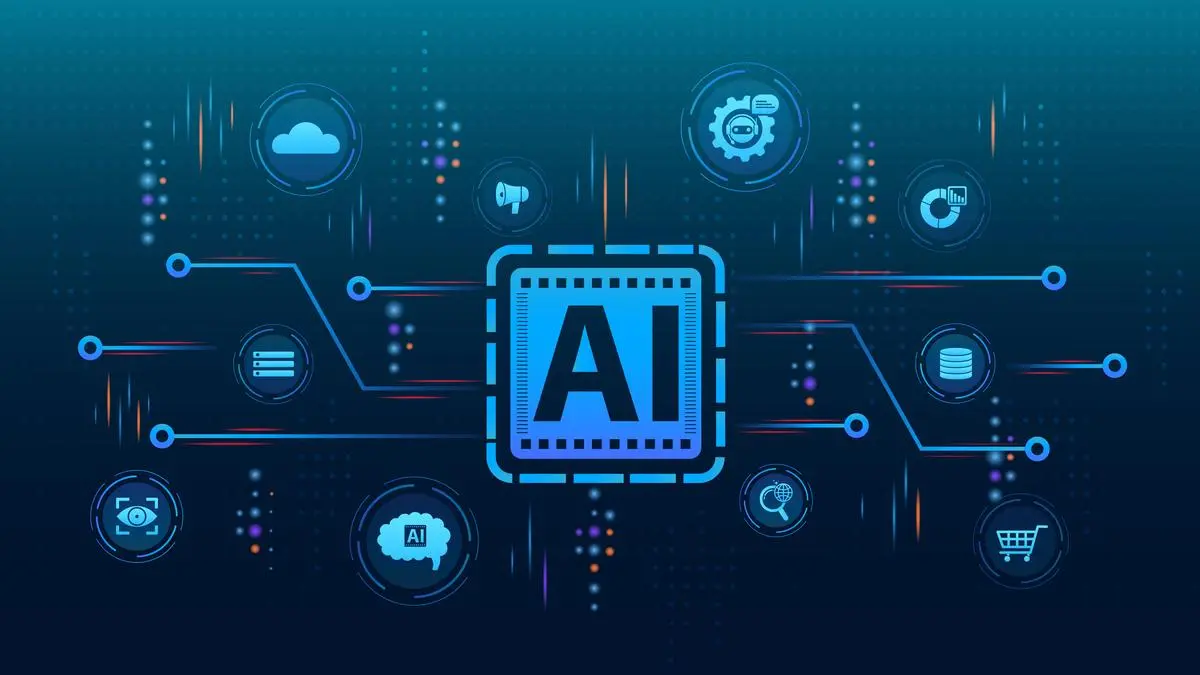
The integration of workflows between humans and AI has been a focus for IT majors
The broader adoption of artificial intelligence (AI) across enterprises has given rise to a new debate – should companies have a dedicated role to manage the collaboration between humans and AI, or should the responsibility fall under the purview of the Chief Artificial Intelligence Officers (CAIOs)?
Experts told businessline that a key challenge of AI agents and employees working together is to find leaders with the cross-functional expertise to manage both the AI workflows and specific domain functions.
Siddharth Verma, Head of Xpheno Executive Search, a leadership hiring firm, says that it is a challenge to get that mix today of people who have the multi-domain understanding across both AI workflows and specific organisational functions.
“While CIAOs might be familiar with AI enablement and workflows, few possess the specific process expertise required for true workflow integration,” he said.
‘Techno-functional expertise’
Verma says that most CAIOs today are tasked with carrying forward the AI vision of the company, including speaking to the solution partner, bringing in the right tooling and assessing it, having the right AI software assets and so on.
“Work orchestration, however, is not merely a technical role,” he added. “It’s a techno-functional role which demands familiarity across functions.”
He explains that when the AI solution deployed has to exchange with HR, finance and procurement systems, the challenge then lies in how each of those functions operates. A CIAO will bring in the tools, but it is often the function leaders who ultimately decide whether the solutions fit their needs.
Abhishek Sengupta, Practice Director, Everest Group, believes that rather than creating a new office just for AI-human co-ordination, the likely outcome would be collaborative leadership, where AI leaders, HR teams and functional heads will undertake joint resource planning. He adds that organisations must also develop digital-labour metrics to measure and manage the performance of AI agents alongside human employees.
The integration of workflows between humans and AI has also been a focus for IT major TCS too with company CFO Samir Seksaria saying that such integration will be critical to transform the company into an AI-led technology services company.
“The new way of doing it [providing services] is not just humans or not just agents doing it but a combination of it. We don’t have an answer. It’s not human plus AI right now. How do we get there? That’s the imagination of services [we are working on],” said Seksaria.
However, Anand Mahurkar, CEO & Founder of AI solutions company Findability Sciences, believes the responsibility must be with the CAIO.
“Instead of creating a new C-level silo, the CAIO, properly empowered, must absorb the human-machine collaboration mandate. In our engagements, when CAIOs take these tasks on, the difference between pilot projects and scalable transformation becomes stark,” he added.
Interestingly, organisations across industries have ramped up hiring in AI leadership. According to a recent study by the IBM Institute for Business Value, one in four Indian enterprises already has a CAIO, and two-thirds plan to appoint one within two years.
(With inputs from Vallari Sanzgiri in Mumbai)
Published on October 16, 2025
link




:max_bytes(150000):strip_icc()/LeahOC-531cb9a29fd548d3a7a1bdcda7ba4bc1.png "These Are the 7 Most Timeless Paint Colors")

