
8 Tricks to Make Your Small Bedroom Feel Bigger, According to Designers
:max_bytes(150000):strip_icc()/make-small-bedroom-bigger-GettyImages-1411895403-14ccd9c2313d46dab7bb19aac217709a.jpg "8 Tricks to Make Your Small Bedroom Feel Bigger, According to Designers")
Decorating a small bedroom can be a challenge. After all, you need to fit a lot of bulky furniture without it feeling cramped. So how do you squeeze in a bed, a dresser, two nightstands, and accessories—yet still create an environment that feels open and relaxing? It might not be as hard as you think. Here, designers share eight ways to make your bedroom look and feel bigger.
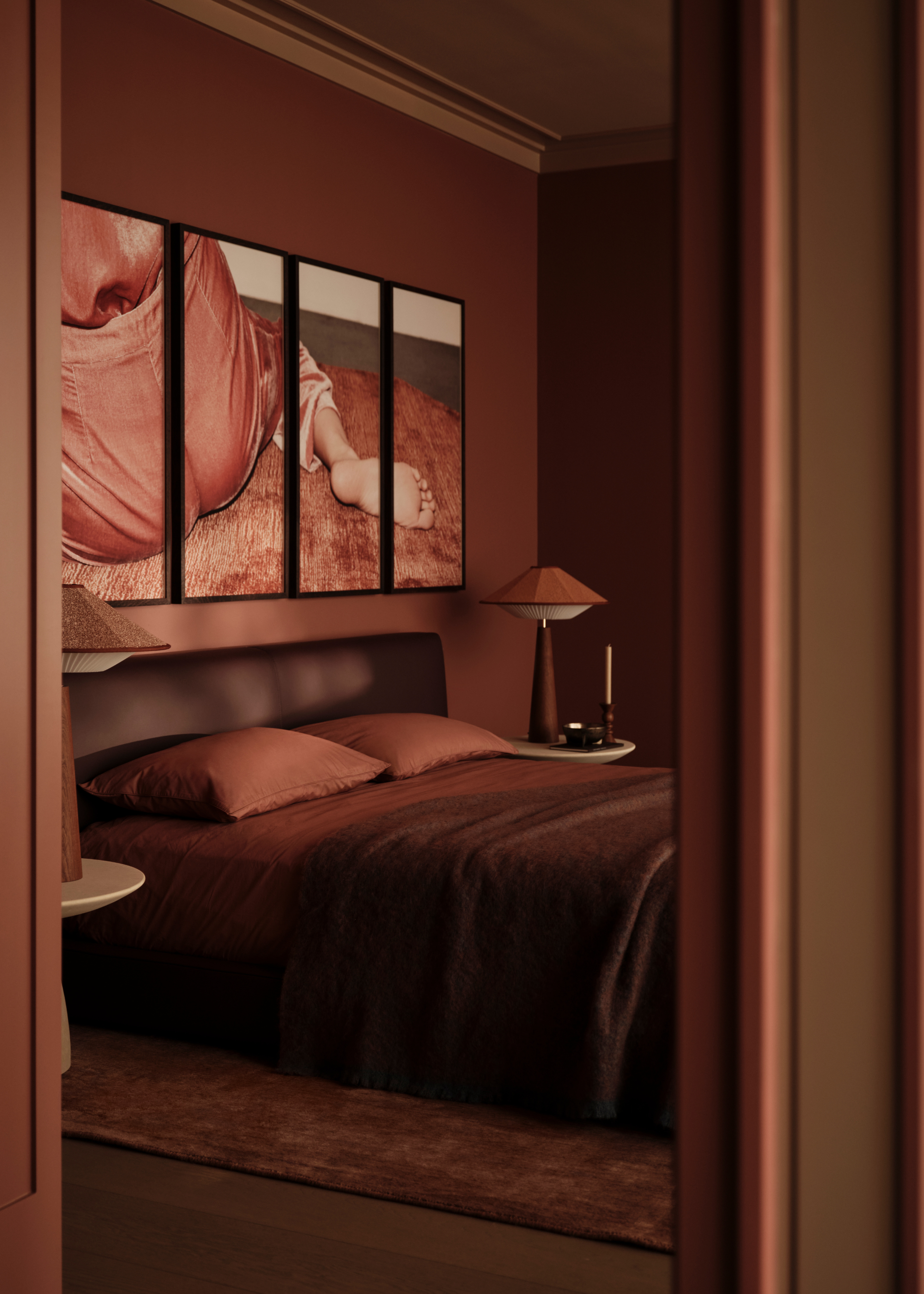
Skip the Dark Colors
Courtesy of Eisen Design House
Darrell Gardner, director of product development at Cort, says the best approach to making a room feel larger is to play with light to create a sense of openness.
“Start with light colors—think soft pastels or pale neutrals that instantly create an airy feel,” Gardner says. “It’s like letting the room take a deep breath. The lighter the palette, the more it feels like the walls are backing off, giving you room to breathe.”
But that doesn’t mean eliminating dark colors altogether! Just narrow it down to smaller accent pieces like pillows and throws.
Keep a Consistent Palette
A cohesive color palette is crucial, says Carolyn Cerminara, founder and principal designer of Cerminara Design.
According to Cerminara, when the room is unified, it naturally feels bigger. “I love using monochromatic or tonal schemes, especially in lighter shades,” she says. “It keeps everything flowing, making the space feel open and inviting without being visually chopped up.”
This doesn’t mean you need to be entirely monochromic, but perhaps pare your decor down to two or three colors max.
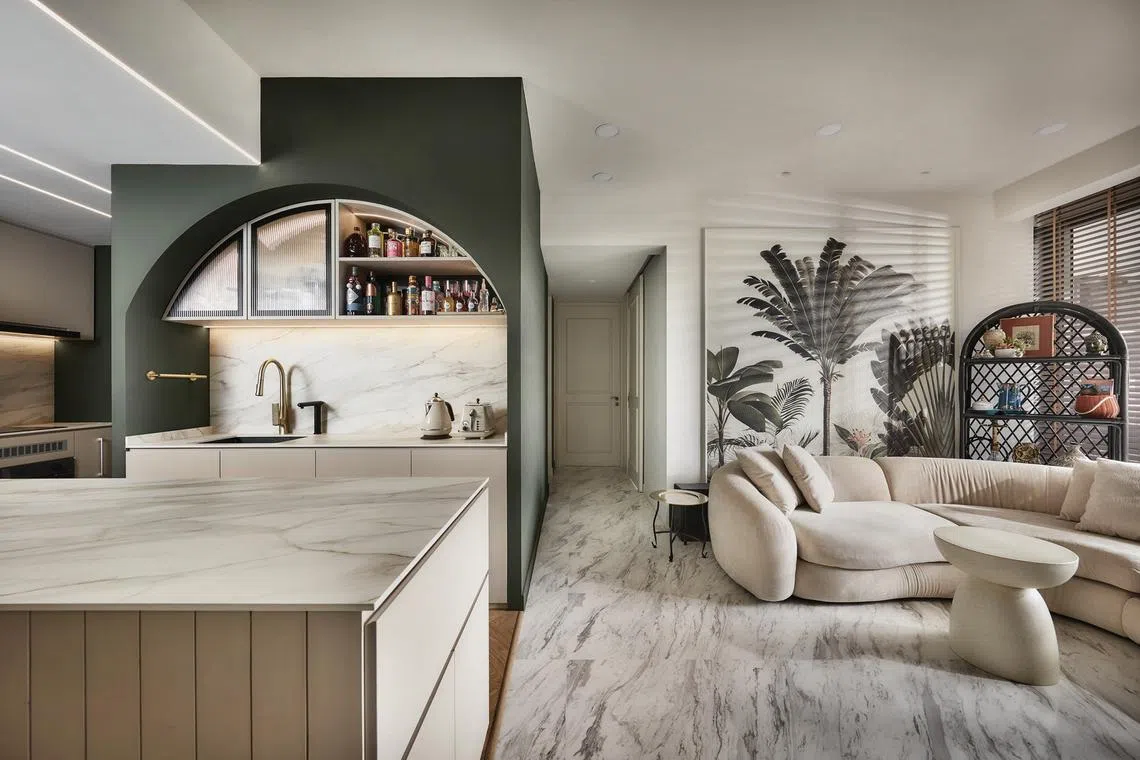
Take Advantage of Vertical Space
Allison Elefantre; Design by Cerminara Design
Using vertical space is a great way to trick the eye. “Tall bookshelves, high curtains, and artwork hung a little higher than normal instantly draw your eye up,” explains Cerminara. “It creates the illusion of height, giving even the smallest bedroom a more spacious feel.”
Another option? Go with a tall headboard, suggests Colleen Bute Bennett of CBB Design Firm. According to the designer, it’s a great way to bring a decorative element of color or texture into the space, especially if the rest of the room has a more neutral aesthetic.
Keep Furniture Proportional
One of the biggest challenges of decorating a small bedroom is finding furniture that’s proportional to the space. “Oversized pieces can drown a space,” says Cerminara.
For example, trying to fit a king-sized bed and two nightstands may be impossible in a tiny bedroom. Scaling down to a queen can make a room feel far less cramped.
Choose the Right Furniture
Allison Elefantre; Design by Cerminara Design
According to Bennett, furniture with visible legs, such as mid-century modern pieces, creates an open and airy feel because more floor space is visible.
However, wall-mounted furniture can also be a great option in smaller spaces, according to the designer. “Use wall-mounted shelves and nightstands to free up floor space,” she says. “This clears clutter and also draws the eye upward, which can make the room feel taller.”
Skip the Lamps and Get Sconces Instead
Courtesy of Eisen Design House
Sara Beverin, senior designer at Eisen Design House, shares that sconces are a better choice than lamps in small bedrooms. “Instead of taking up space on your nightstands, consider installing sconces,” she suggests. “This helps draw the eye upward, giving the room an open, more airy feeling and reduces visual clutter.”
When It Comes to Rugs, Bigger Is Better
While you might be tempted to buy a smaller area rug for your bedroom, it isn’t a good idea because it will make the space feel choppy and disjointed.
“A common misconception is that a small area rug will make your space feel bigger, but has the opposite effect,” Beverin says. “The size of the area rug actually dictates the size of the visual space you create.”
So, it’s important to select the biggest rug that fits comfortably in your room in order to optimize the appearance of the space. (Aim for around a foot of exposed floor along the perimeter of your room.)
Use Mirrors Strategically
Courtesy of Eisen Design House
A well-placed mirror can double the space visually by reflecting light and creating depth. “I love putting a large mirror across from a window to reflect natural light,” Cerminara says. “You’ll be amazed at how much brighter and more spacious the room will feel.”
link


:max_bytes(150000):strip_icc()/LeahOC-531cb9a29fd548d3a7a1bdcda7ba4bc1.png "These Are the 7 Most Timeless Paint Colors")

