
6 Bedroom Design Trends That Are Making Your Space Look Dated, According to Designers
:max_bytes(150000):strip_icc()/Bedroom-Design-Trends-That-Are-Making-Your-Space-Look-Dated-GettyImages-1402740804-e22065ee307642fb876faf254c7df6fc.jpg "6 Bedroom Design Trends That Are Making Your Space Look Dated, According to Designers")
When it comes to designing your bedroom, the goal is to curate a space you’ll love year after year. The right setup should make you actually look forward to climbing into bed each night instead of itching for a redesign.
While there’s no shortage of bedroom trends to choose from, what matters most is not simply imitating what’s popular, but rather finding a style that feels true to you. Still, some once-popular design choices can leave your space feeling dated instead of timeless. The good news? Most of these missteps are easy to fix and don’t require much time or money.
We asked interior designers to share the bedroom trends making your bedroom feel stuck in the past, and the simple styling swaps that will instantly breathe new life into your home.
Matching Bedroom Sets
Credit:
Photographer, Michael P.H. Clifford for Shane and Pierce
Most designers agree that one of the most outdated bedroom looks is a matching furniture set. Kimberly Oxford of Oxford Interiors calls them “a relic of mass-produced design that lacks the soul and evolution of a home thoughtfully built over time.” Everything matches a little too perfectly. “The same wood tone, same hardware, same finish, all lined up neatly from dresser to nightstand,” she says. While it creates a sense of instant coordination, it often lacks character and depth.
Regan Billingsley of Regan Billingsley Interiors adds that your bedroom should feel like “a reflection of you: evolving, layered, and a little imperfect in the best way.” While this may seem like a lofty goal, you don’t have to overhaul your entire space. Oxford suggests starting small.
“Begin with one anchor piece—a beautifully upholstered bed or a sculptural nightstand—and build around it with contrast in tone and texture,” Billingsley says. “A dark walnut dresser can sit beautifully beside cerused oak nightstands. Mix metal finishes, bring in vintage or handmade pieces, and layer textiles that reflect your personality.”
Oxford agrees, noting that incorporating a variety of scales, silhouettes, and textures is an easy way to make your space feel more personal and collected. As Oxford puts it, “the modern bedroom should feel curated—not delivered in a single truckload.”
Too Much Themed Decor
Credit:
Anna B. Alury, Interior Stylist and Rug Designer
“You don’t need a sign that says ‘relax’ to help you unwind or pillows covered in fish to remind you of your last beach vacation,” says Billingsley. She explains that a room that leans too heavily into one theme can feel “forced” rather than inviting.
Suzzane Barrow of Barrow Interiors also suggests straying from overly themed interiors. Designs such as barn doors, shiplap walls, and distressed wood furniture have become so ubiquitous they have lost their charm, she says. Just like how you don’t fit into a single “theme,” your bedroom also should reflect the depth and layers of who you are.
Focus on abstract ideas that capture the essence of what you love, Billingsley advises. “A rough jute rug can evoke the feeling of stepping from bed onto warm sand, or a block-printed textile from India might remind you of a favorite trip,” Billingsley. “Pieces that hold meaning bring authenticity to your space, and authenticity never goes out of style.”
A Plethora of Pillows
Credit:
Sarah Shields for Tiffany Skilling Interiors
While they can look pretty, a profusion of pillows will likely spend more time on the floor than on your bed, says Evan Kranzien, interior designer of Shane & Pierce. As for styling, an excess of pillows can make your space look chaotic and overdone, especially if their colors are clashing.
Save money (and time spent making your bed) by investing in a few complementary throw pillows, or even a single big lumbar pillow. Kranzien has been gravitating towards bolder coverlets with pattern and texture that throw pillows may have previously provided. “They keep a room looking tailored and clean but not fussy, ” he assures.
A Beige-on-Beige (or Gray-on-Gray) Color Scheme
Credit:
Photographer: Adrian Gaut for Crystal Sinclair Designs; Stylist: Katja Greeff
“Monochrome ‘builder neutrals’ are safe and stale,” says Kristina Lawrence of Kristina Lawrence Interiors. While “millennial gray” was all the rage in the early 2010s, 2025 (and 2026) interiors see a turn towards more eclectic and personalized spaces. You don’t have to abandon neutrals altogether, though, if that’s your jam.
Shane Charles of Mild Sauce Studio recommends transitioning from cool-toned neutrals, which can make your bedroom look flat and sterile, to warm-toned neutrals, which mimic shades found in nature. She recommends layering taupe, sand, and umber tones with natural linen and walnut. “It keeps serenity but adds depth and soul,” she adds.
Accent Walls
Credit:
Photographer: Lisa Cohen for Delux Australia.; Stylist: Bree Banfield
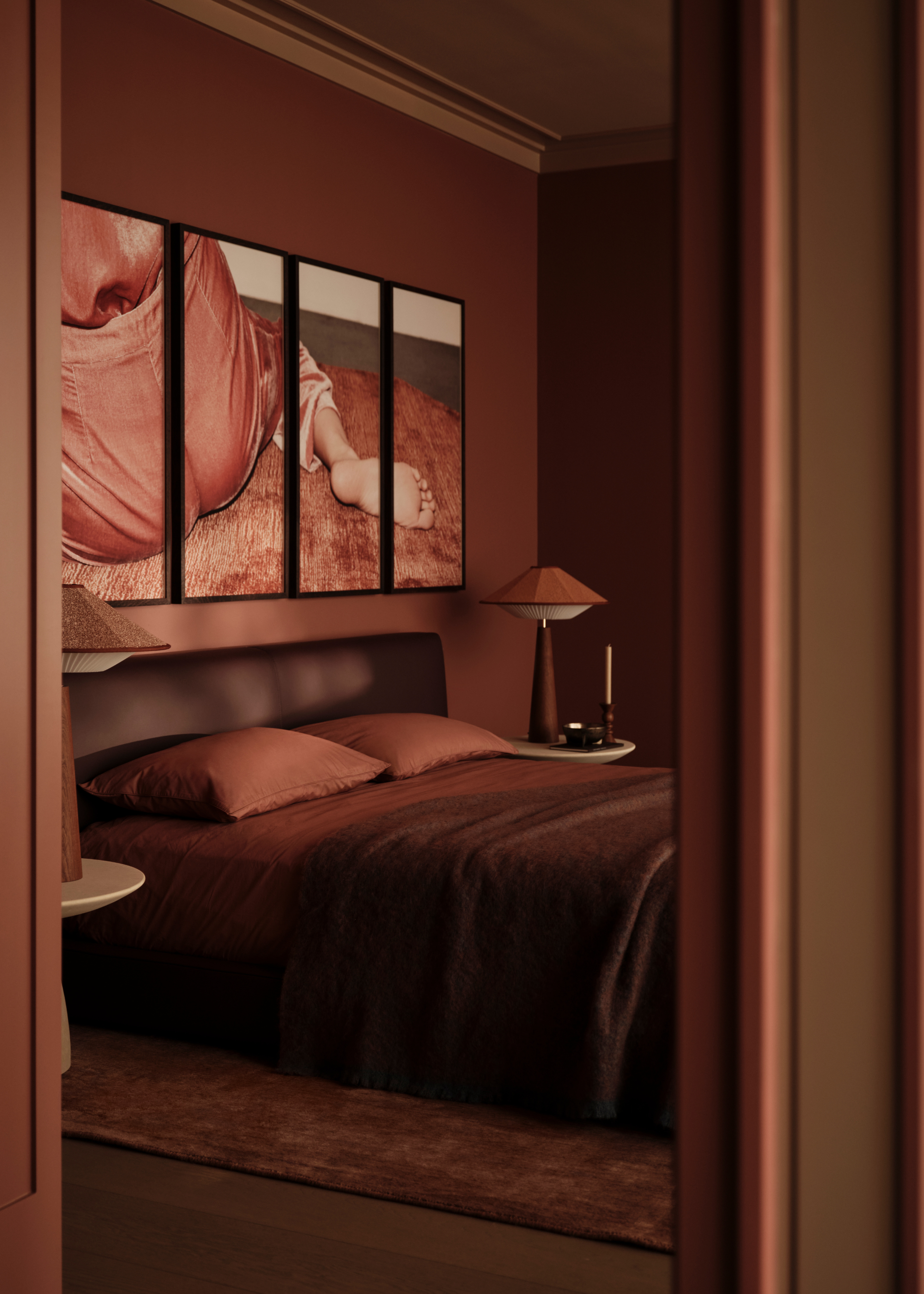
While accent walls have been trending in recent years, Amr Samaha of Samaha Studio warns against them if you’re aiming for a timeless look. “They often look like something applied instead of designed,” he explains.
Instead, he recommends carrying color throughout the room—whether through “color drenching,” which Zillow’s trend report predicts will continue to be huge in 2026, or by using wallpaper within defined boundaries like wall panels or a closet nook.
Designer Lawrence agrees, noting that wrapping an entire room in a rich hue such as slate, cacao, moody green, or warm charcoal creates a more impactful, eye-catching look. And if you’re not ready to commit to full color, she suggests adding interest in other ways, like with a statement headboard, oversized artwork, or a textile wall panel that draws the eye upward.
Wall-to-Wall Carpeting
Credit:
Sarah Shields for Tiffany Skilling Interiors
“There was a time when wall-to-wall carpeting felt like the height of comfort,” says Billingsley. But these days, it’s known to “trap dust, moisture, and allergens, which is hardly the recipe for a restful night.”
Nothing is more dated than decor that works against your sense of calm. Not to mention, rugs in high-traffic areas can be tricky to maintain; it doesn’t take much for them to become discolored and worn. And while once seen as cozy, it now tends to evoke a suburban finished basement more than a sleek, serene bedroom.
That doesn’t mean you have to ditch carpet altogether. Billingsley recommends layering a textural area rug over hardwood floors to add warmth and visual interest. Looking for a bit of extra oomph? Try one in a bold color or playful pattern.
link


:max_bytes(150000):strip_icc()/LeahOC-531cb9a29fd548d3a7a1bdcda7ba4bc1.png "These Are the 7 Most Timeless Paint Colors")

