


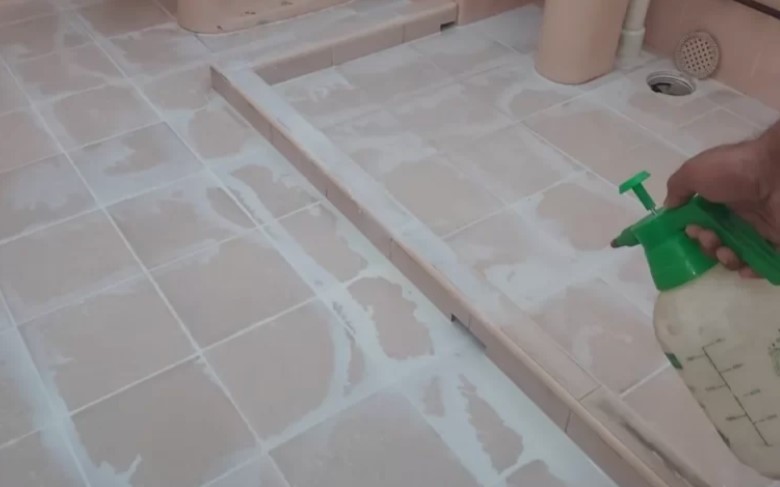
No hacking waterproofing is transforming the way homeowners and contractors in Singapore approach water damage repair, offering a cleaner, faster, and far less disruptive solution to one of the most persistent challenges in property maintenance. For decades, the standard response to a leaking bathroom was to tear out existing tiles, expose the substrate, apply a fresh waterproofing layer, and relay everything from scratch. That process was effective, but it came at a cost: significant noise, clouds of dust, days of downtime, and a bill that could stretch well beyond initial estimates. The arrival of no-hack waterproofing methods has changed that calculus entirely.
Understanding the Technology Behind No-Hack Waterproofing
The principle behind no hack waterproofing relies on advances in material science that simply did not exist a generation ago. Instead of removing tiles to access the waterproofing layer beneath, specialist contractors inject or apply a penetrating compound that travels through grout lines and microscopic pores in the tile surface, bonding directly with the substrate. Some systems use crystalline technology, in which active compounds react with moisture and cement particles to form insoluble crystals within the concrete. Others rely on polyurethane-based or epoxy-based injection techniques, filling voids and cracks with a flexible, water-resistant resin. In either case, the existing tile and surface remain intact throughout.
“We have seen tremendous uptake in no-hack methods over the past few years. Homeowners want solutions that do not put their daily lives on hold for a week. When we can resolve a chronic bathroom leak in a single day without removing a single tile, that is a compelling proposition.”- A licensed waterproofing specialist based in Singapore
The Step-by-Step Process
Understanding what a no hacking waterproofing job involves helps homeowners know what to expect. The typical process unfolds in several clear stages:
Inspection and moisture mapping
Contractors use moisture meters and thermal imaging cameras to identify where water is penetrating and how far it has travelled.
Surface preparation
Grout lines are cleaned and sometimes widened slightly to allow the compound to penetrate more effectively, producing minimal mess.
Application of waterproofing compound
The product is applied to the tile surface or injected into strategic points, depending on the technology being used.
Curing and sealing
Grout lines are resealed and the surface cleaned down, leaving the wet area looking much as it did before.
Post-application testing
A water ponding or spray test confirms the integrity of the new barrier before the contractor signs off.
When No-Hack Waterproofing Is the Right Choice
The no-hack waterproofing approach works best when:
- The existing tiles are in good structural condition with no widespread cracking or hollow spots beneath them.
- The leakage stems from failing grout or a degraded membrane rather than a structural defect.
- The homeowner wishes to minimise disruption, particularly in occupied or tenanted units.
- Renovation noise restrictions apply, as they do in most HDB estates and condominiums.
- The tiles have aesthetic value that the homeowner does not wish to lose.
“In Singapore’s climate, bathrooms and flat roofs are under constant thermal stress and heavy rainfall. The no-hack method gives us a way to restore waterproof integrity quickly without disrupting the family. For occupied units, it is often the only sensible choice.” – A senior waterproofing consultant in Singapore
When Traditional Hacking May Still Be Necessary
To be clear-eyed about no hacking waterproofing solutions means acknowledging their limitations. If tiles are hollow, cracked, or debonding from the substrate, no penetrating compound will restore a surface that has fundamentally failed. If there is evidence of deep structural cracking in the concrete slab, a surface-applied solution will only delay the inevitable. In these cases, traditional hacking and relaying remains the more durable option. A qualified contractor should carry out a thorough assessment and provide a written recommendation before any work begins.
Long-Term Performance and Maintenance
Homeowners considering no hack waterproofing should also ask about the longevity of the products being used. Reputable systems applied by trained contractors in Singapore typically come with warranties of between five and ten years. Regular maintenance, including periodic resealing of grout lines and prompt attention to any new staining or cracking, will extend the life of the treatment considerably. Some crystalline systems have documented performance histories spanning fifteen to twenty years in comparable tropical climates, offering meaningful reassurance that the investment will hold.
Making the Right Decision for Your Home
Singapore’s combination of high humidity, intense rainfall, and densely packed housing stock makes waterproofing a structural and neighbourly concern, not merely a comfort issue. A leak left unaddressed will eventually migrate to the unit below, triggering disputes and potential legal liability. When weighing your options, seek at least two assessments from licensed contractors, ask to see completed projects, and request a clear explanation of why a particular method suits your situation. A contractor who takes the time to explain the diagnosis is one worth trusting with the repair. For homeowners who want a swift, clean, and minimally intrusive solution, no hacking waterproofing represents a genuine and well-proven advance in protecting our homes against the persistent challenge of water ingress.